Galactic Simulator
28 Jan 2025 · (19 months ago) · Full Release
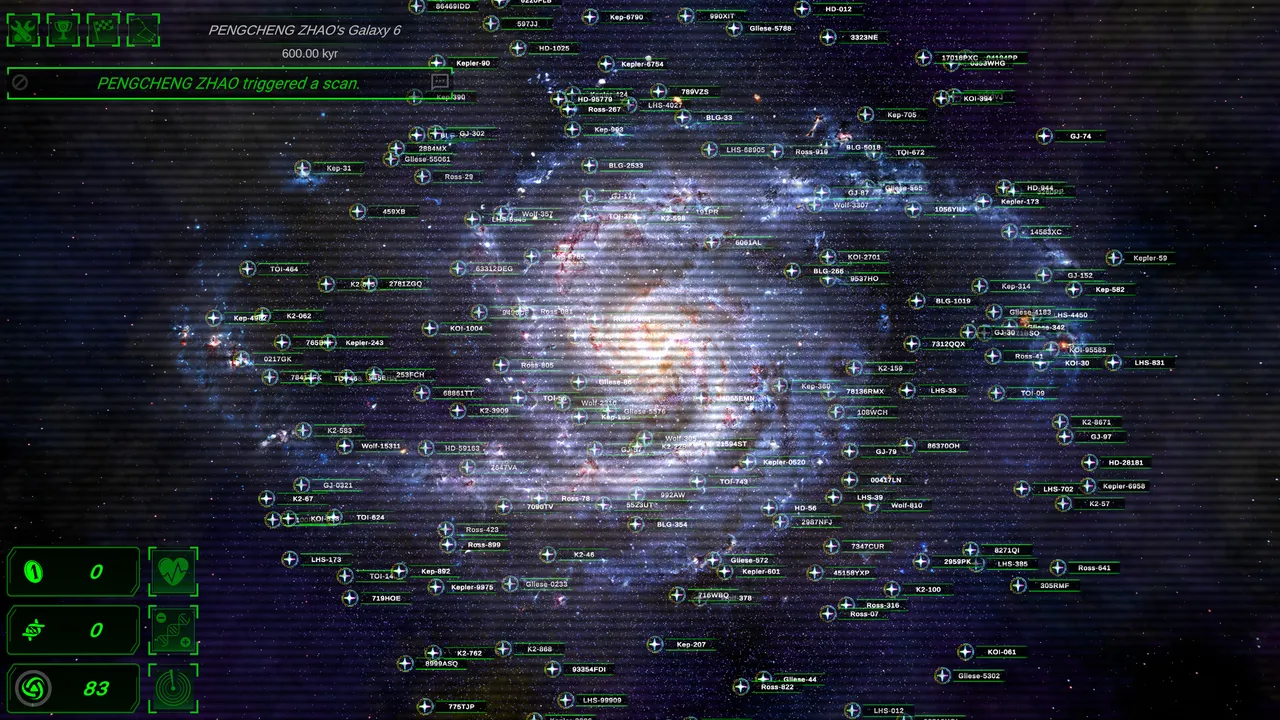
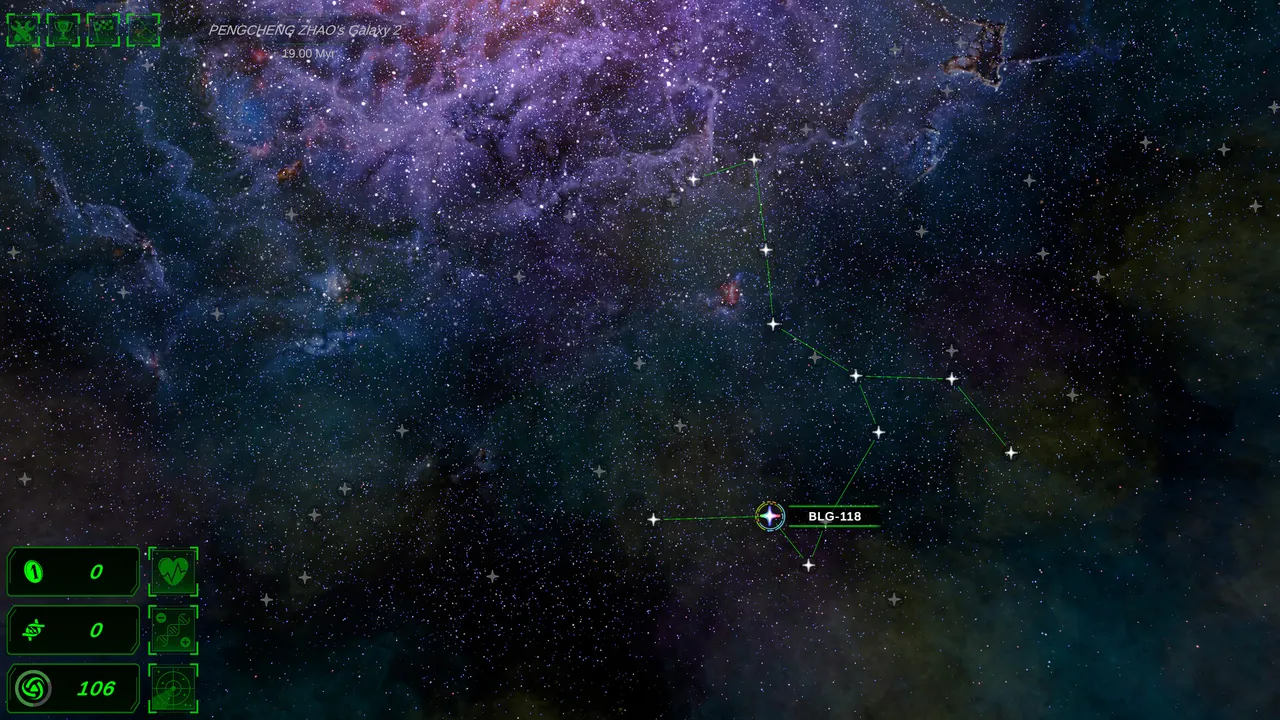
Galactic Simulator is a clicker game based on the Fermi Paradox and the Great Filter theory. Players can simulate the evolution of celestial bodies and civilizations in the galaxy from an observer's perspective. The game supports multiplayer mode. Create a unique galaxy with friends!
Need a rig? Gaming PCs, handhelds & where to buy →
Developer & Publisher: PcZ Games
About
About this game
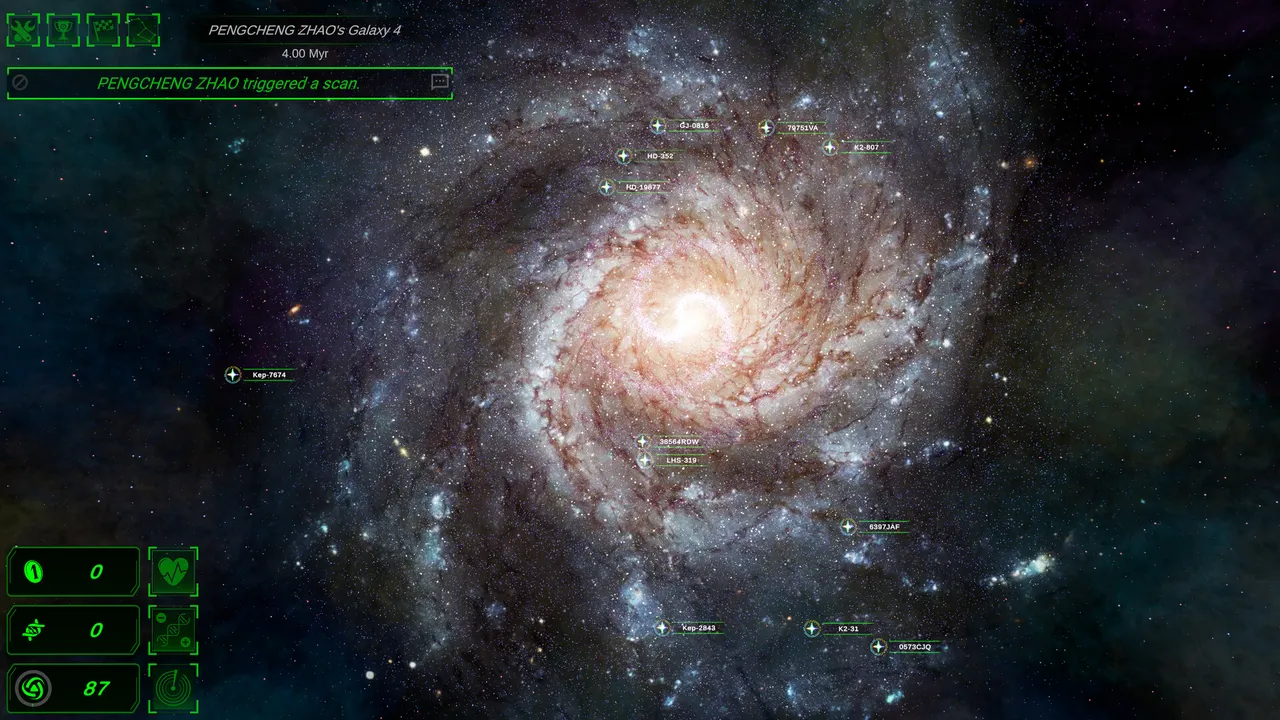
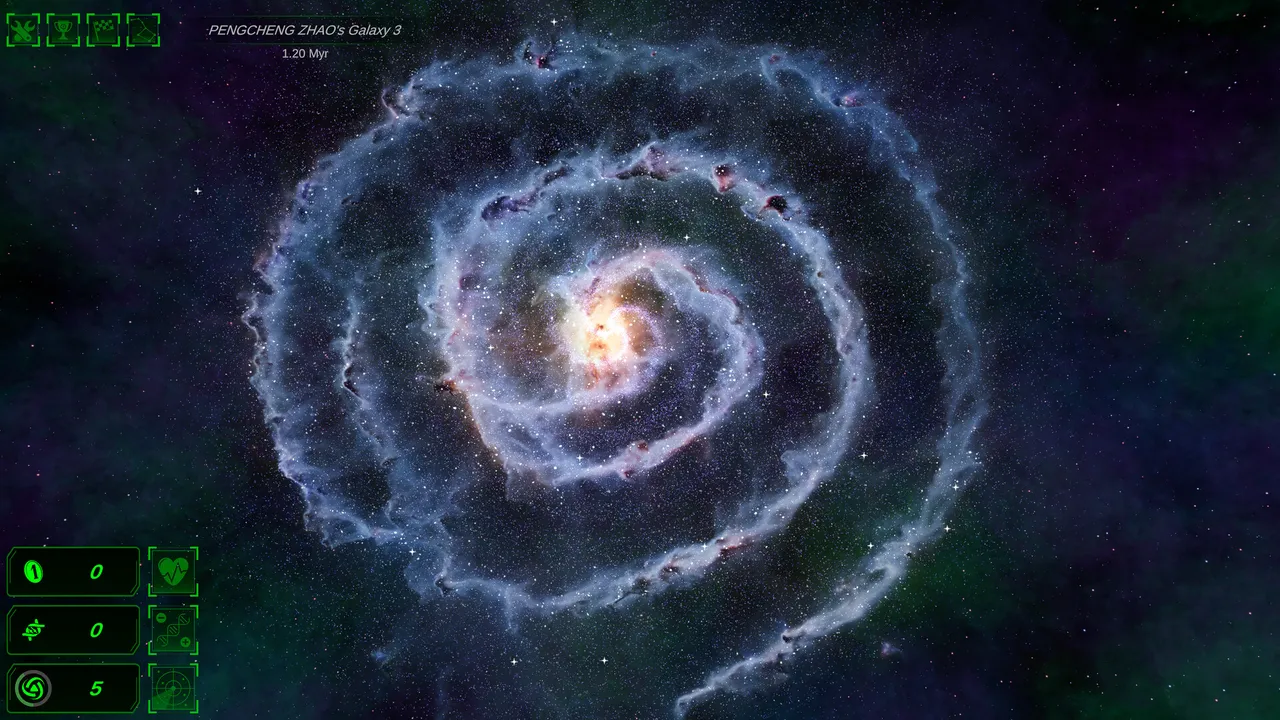
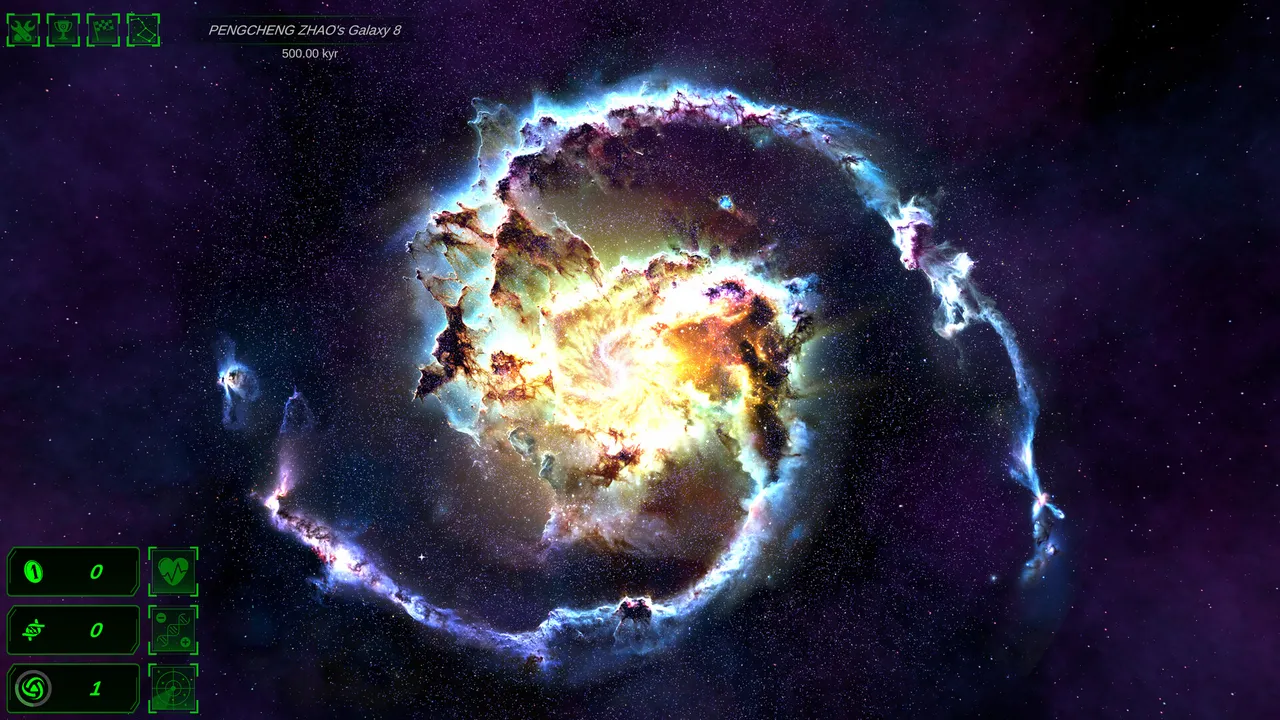
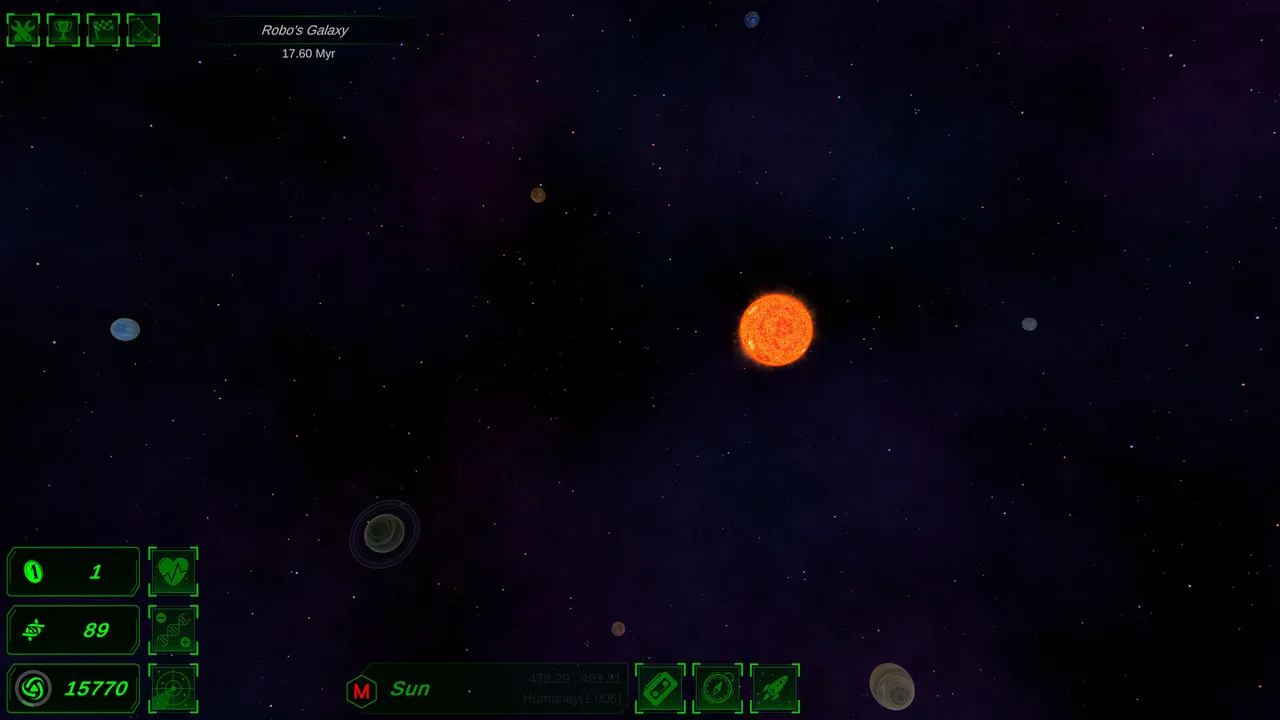
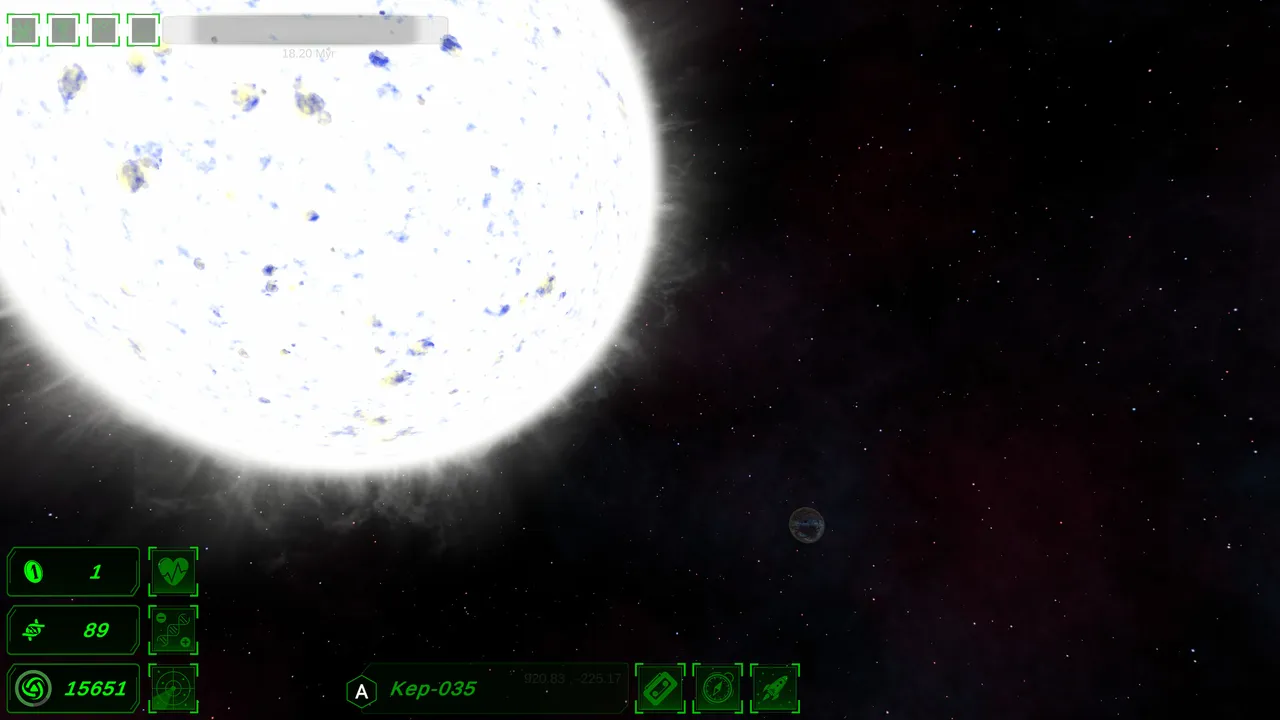
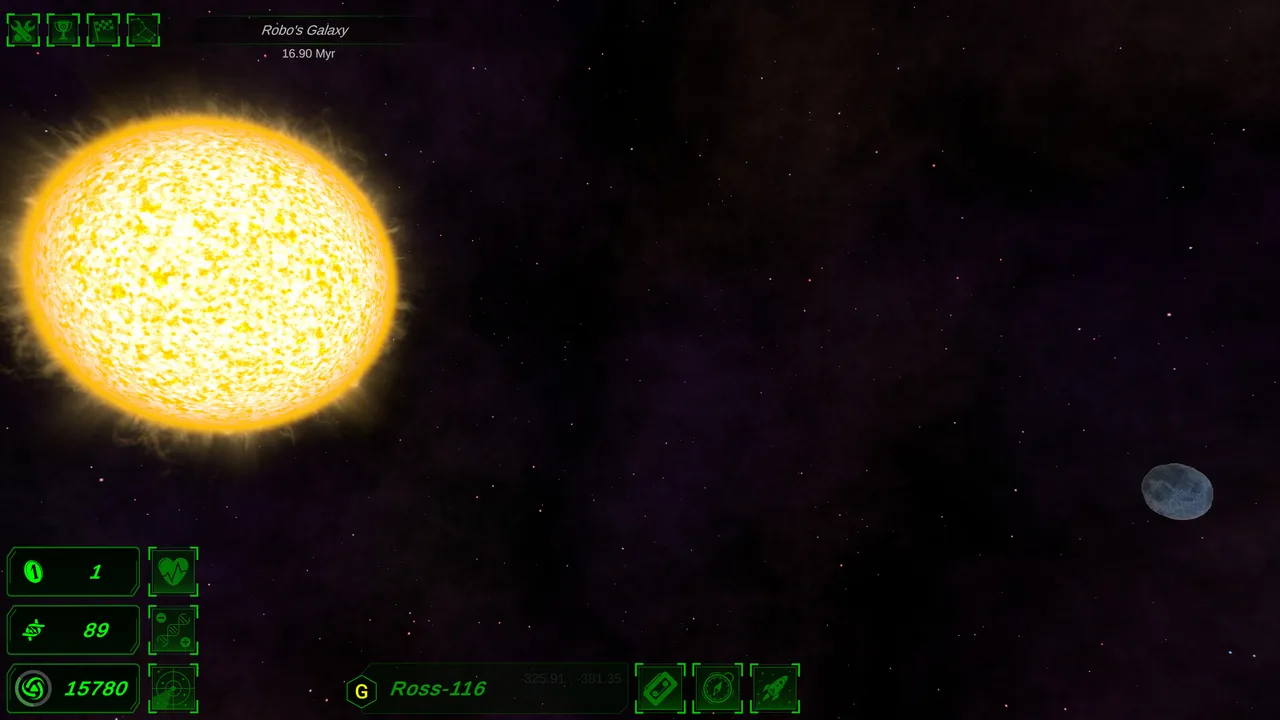
Galactic Simulator is a clicker game based on the Fermi Paradox and the Great Filter theory. Players can simulate the evolution of celestial bodies and civilizations in the galaxy from an observer's perspective.
Fermi ParadoxAs of now, there is no reliable evidence to suggest that extraterrestrials have visited Earth.
â "Where are they?"
Drake equationN = R* à Fp à Ne à Fl à Fi à Fc à L
  Nï¼The number of detectable extraterrestrial civilizations in the galaxy
  R*ï¼The rate of formation of stars in the galaxy
  Fpï¼The fraction of those stars with planetary systems
  Neï¼The number of planets, per solar system, with an environment suitable for organic life
  Flï¼The fraction of those suitable planets whereon organic life appears
  Fiï¼The fraction of life-bearing planets whereon intelligent life appears
  Fcï¼The probability of a civilization emitting detectable signals
  Lï¼The lifespan of a civilization
The Drake Equation helps us understand the probability of extraterrestrial civilizations existing. Galactic Simulator implements all the components of this formula.
The Great FilterThe Great Filter is the idea that, in the development of life from the earliest stages of abiogenesis to reaching the highest levels of development on the Kardashev scale, there is a barrier to development that makes detectable extraterrestrial life exceedingly rare. According to the theory, Galactic Simulator defines the following Great Filters (evolutionary stages):
Suitable stellar systems and potentially habitable planets
Organic molecules (e.g., RNA)
Prokaryotic cells
Eukaryotic cells
Multicellular Organism
Intelligent Organism
Tribal Stage
Civilizational stage
Civilizations have a probability of failing at various stages of the Great Filter.
Civilization Levels (Kardashev Scale)Once a planet reaches the civilization stage, it begins to develop its level of civilization, measured by the Kardashev Scale.
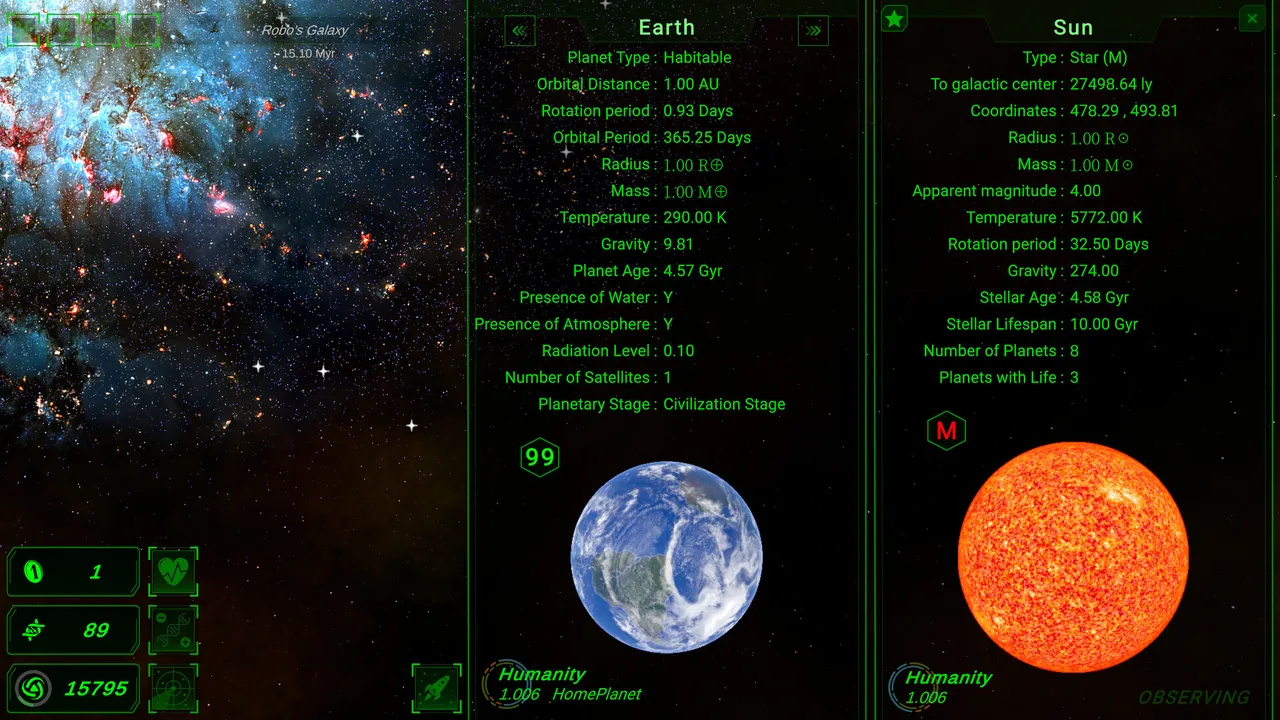
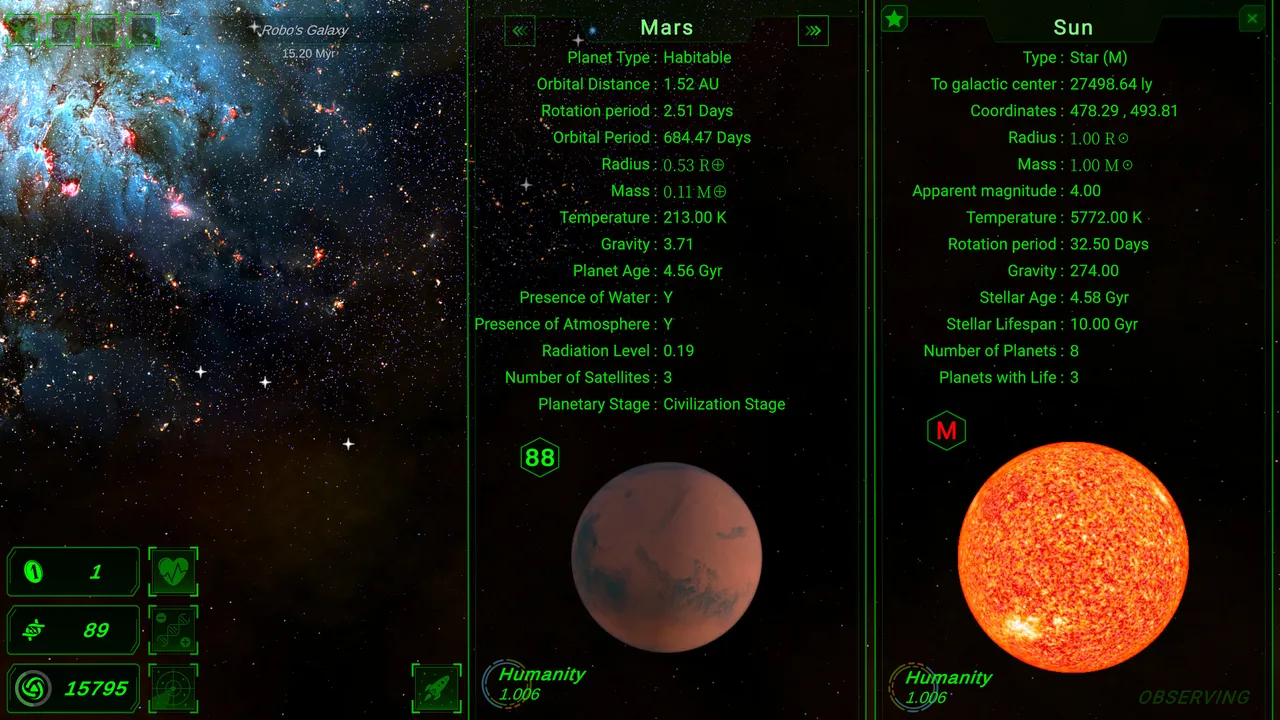
Unique PlanetsEach planet has its own unique appearance and is fitted with real-world physical data.
Game ControlsIf you're unfamiliar with the above theoretical background, don't worryâthe game isn't complicated. There are only a few key click actions, and it provides detailed explanations and auto-completion options.
Even without any player input, the galaxy will evolve over time on its own.
Tips on in-game camera controls: WASD to move, Q/E to rotate, Z/C to zoom
Game Modes
Casual Modeï¼The success rate of most in-game events and the Great Filter is set to 50%.
Realistic Modeï¼More realistic success rates and data to simulate the real world.
Sandbox Mode: No resource use or generation, can advance universe time.
More Features
The game supports multiplayer mode. Create a unique galaxy with friends!
Supports leaderboards, letting players worldwide see your unique planet.
Supports screensaver mode for a stunning display of your galaxyâbest experienced in full screen!
Trailers
System requirements
Minimum: OS *: Windows 11/10/8/7 Processor: AMD FX 6300 Memory: 8 GB RAM Graphics: NVIDIA GeForce GTX 750TI Network: Broadband Internet connection Storage: 10 GB available space
Features & accessibility
PC system requirements
Minimum: OS *: Windows 11/10/8/7 Processor: AMD FX 6300 Memory: 8 GB RAM Graphics: NVIDIA GeForce GTX 750TI Network: Broadband Internet connection Storage: 10 GB available space
Where to buy
official storesReviews
Screenshots
Do you recommend it?
No member reviews yet — be the first.
Discussions
View all →No discussions yet. Start one →
Aggregated from: steam